2021-12-31

And twenty-twenty-one comes crashing to a close

.

Before we get to the final films I watched this year, how about a recap on the year's new films? For a year chock-full of movies I was excited to see (The Green Knight, The French Dispatch, Dune, Licorice Pizza, The Matrix Resurrections, Godzilla Vs. Kong, The Lamb, Barb & Star Go to Vista del Mar, A Quiet Place 2), I saw almost none of them—and the ones I did see disappointed. Here's the complete list of 2021 films I saw, from best to worst:

Flora & Ulysses (that's right: the superhero squirrel was the best 2021 movie I saw; what the crap)

Luca (one of the more forgettable Pixar entries)

The Marvel movies (all four were pretty mediocre)

Muppets Haunted Mansion (which was pretty bad)

Raya and the Last Dragon (which was very bad)

Ron's Gone Wrong (which wasn't as bad as Raya but which held a lower opinion of its audience and thus pissed me off)

And then Betty White died today. So there you go.

Anyway, December:

= = = = = = =

ELSEWHERE
library dvd
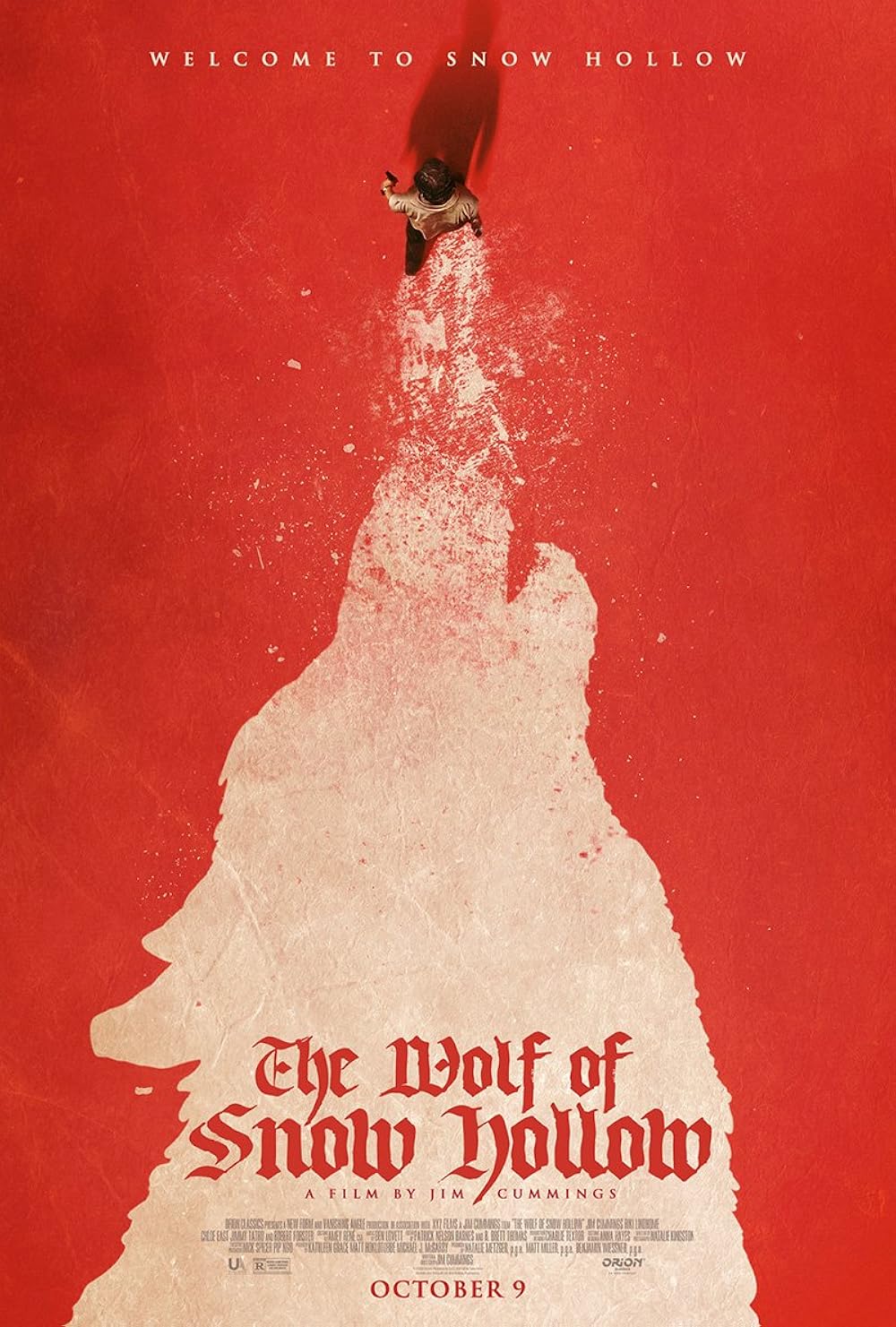
The Wolf of Snow Hollow (2020)

I didn't know it when I started, but let's start December off with a Christmas movie!

(I mean, barely, but it is. Barely.)

The Jim Cummings name had been popping up here and there and this movie was on some list and it was the only movie of his I could find at the library (none were streaming for free) so I grabbed it. (Plus, it looked like a werewolf-themed sequel to Brigham City, which didn't hurt.)

After that, I heard Cummings on a podcast where I learned fascinating things about his filmmaking process (for instance, instead of storyboarding, he makes a one-man podcast version of the film for the cast—I suspect this might be part of the reason a few of his line readings were . . . really off).

Then I finally saw the movie. And it's pretty good. I wouldn't say I'm amazed or blown away or anything, but overall it was a fun ride with some nodes to more serious fare. So . . . like a Christmas movie.

The photography of the opening credits was cool. Amazing what turning something upsidedown will do!


HOME
library dvd
Speed (1994)

Never seen it. But it keeps coming up, including this best-action-movies list, which I did...alright on (now 24/50).

Anyway, after watching Shang-Chi's bus sequence, I figured it was time.

And it was pretty great! And nobody ever told me how awesomely Nineties the opening credits were!

On the downside, this was the first time I heard Keanu deliver a couple lines that made me get why people say he's a bad actor. He's not, but he did flub a couple here.

But speaking of Keanu, when the closing credits rolled and we saw Keanu played Jack, the 14yrold watching with me said, startled, "Jack was Keanu???" He'd been waiting for Keanu to show up and eventually decided it must be him, but he never did recognize him. Which is wild. I mean—how many times have our kids seen Bill & Ted?

So while sure, a couple moments were simply absurd, it was an excellent piece of escapism. And, bonus points for such a diverse cast on the bus. That's was L.A. looks like! And they managed it in 1994.


HOME
Dailymotion
Bedazzled (1967)

Mostly I know Dudley Moore from 80s comedies that didn't really appeal to me and mostly I know Peter Cook as someone beloved of comics his age and a couple decades younger (and for saying mawwiage in Princess Bride). But I've never really seen any of their work. As contemporaries of Monty Python I thought they might be rather alike, but otherwise I hadn't spent much time guessing.

Bedazzled (as I largely know from hearing about the 2000 remake) is about a down-and-out fellow who sells his soul to the devil for wishes.

The manner in which the wishes are fulfilled it a bit bewildering the first few times. Just cutting to them expects a lot of the viewer We did figure it out eventually, but I'm sure it'll work better on a second viewing.

The jokes are dry, dry, dry. People say British humor is dry; this movie is what they mean. I don't see it getting dryer than this.

Even so, it's not heartless. It has a very hopeful ending, after all. Though the words say humanity sucks, what we see actually suggests maybe we're not so bad after all.


ELSEWHERE
our dvd
It's Such a Beautiful Day (2012)

Only an hour and two minutes long. Made of three short films become one. Utterly beautiful. Neverendingly bizarre.

I will say, it does get teenagers outside their expectations.

I bet it'll get you outside yours as well.

Let's hope our lives are happy ones. I hope you have a beautiful day.


HOME
YouTube
The History of the Seattle Mariners (2020)

If you are wondering how I was talked into watching an almost four-hour movie about the Seattle Mariners, that is a very good question. And the answer is BW/DR. The Big O and I have been watching it in installments since shortly after I read this review and it's taken that long for us to put the pieces together. It's a long movie!

And it was wildly entertaining. We laughed and laughed, he expressed shock, amazement, delight, and despair.

After finishing it tonight, O said, if the A's move to Vegas, maybe he will adopt the Seattle Mariners as his team.

It's a pretty good choice.

Anyway, it's a movie that is largely about the building of a decades-long graph. It's splattered with images of heroes and goats, snippets of news articles, and other ephemera. It cuts away at times for short clips of actual baseball or Seattle from space. It's plain but active, always moving, and our hosts are as bewildered by the whole thing as we are.

I would watch one of these for any MLB team. But I'm not sure many MLB teams offer quite this useful of a lesson.

I could talk more about why, but someone's already written that review.

Someone's already made that movie.


ELSEWHERE
our dvd
The Matrix (1999)

There was a time where I would never imagine showing this movie to students, no matter how relevant, because they had all seen it.

That time has passed. Practically none of them have seen it now.

Time, you see, has passed.

It was 80% applicable and the break's tomorrow and they voted and The Matrix was an easy first place. And they loved it. Not blown away in the same way since the last twenty years—their entire life of pop culture—is built on a foundation laid by The Matix, but, you know? Kind of blown away all the same.

It was kind of cool to see.


HOME
Disney+
Ron's Gone Wrong (2021)

So this is a delightful, charming, and basically evil movie.

Capitalists are evil, kids. But don't worry: the capitalists will save you.

Technology is isolating kids. But don't worry: technology will bring us together.

This film uses all the tools of film to think we are righting against the man in order to make sure we embrace the man and hail him as our savior. Neat! It tastes like real satire!

So yeah. You and your kids will have a fun time with some great set pieces and a terrific cast. But the movie might linger. And I'm not sure that's worth it.

Would I watch it with my kids again? No. If the love it and want to watch it on their own, will I stop them.

Sigh.

Probably not. (Isn't it time for us to all sit down and watch another Spider-Man movie?)

HOME
library dvd
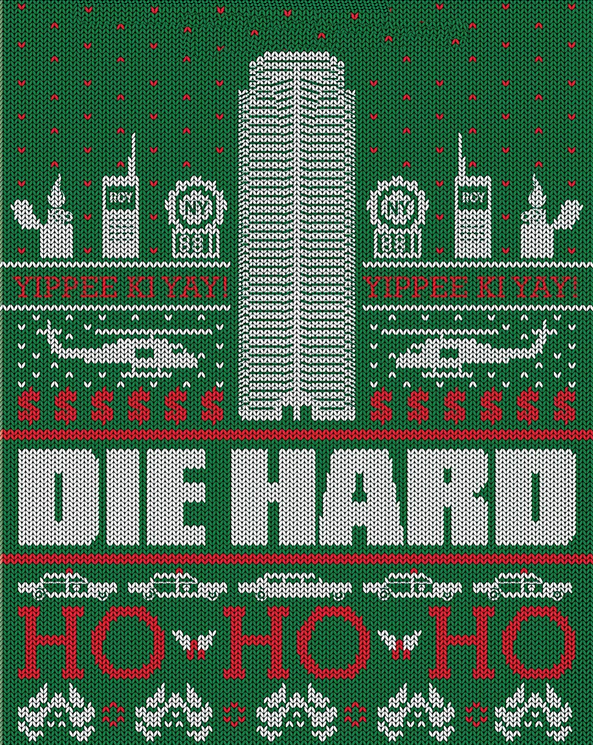
Die Hard (1988)

A Christmas movie generally takes place at Christmas, more or less. This movie takes place entirely on Christmas Eve (though it probably doesn't end until early Christmas morning). So it wallops, say, It's a Wonderful Life.

But it can't just be about the trappings. Even if it's loaded with violence, you need stories about, I don't know, coming home for the holidays, families reuniting—that sort of thing. Think Home Alone.

And the best Christmas stories have at least hints of Christian allegory. My kids made a deal with me. They could watch Die Hard if they read Luisa's essay thereon. Of course, Luisa only strikes the surface. As Stephen King said, you want to mark someone as a Christ character, give them the initials J.C. So: John Clane. (I know, I know. It's actualy John McClane. But Mc means Son and if you think giving a J.C. the middle name of Son makes him less Jesusy, what bible are you reading?) But hey—make is a family game. Luisa filled in the free squares. Now take it apart looking for bingo.

In short, yes, Die Hard is a Christmas movie. And it's basically the Silence of the Lambs of action movies. So why are you holding out?

Two last notes:

1) Since last watching Die Hard, I've seen several episodes of Moonlighting. I both get and am mystified the controversy in casting Bruce Willis as an action lead.

2) A lot of the score is Christmas-adjacent. Songs like Pachelbel's Canon are quoted in the score and then you also hear chunks of something like Beethoven. Not actual Christmas songs, but songs that we associate with Christmas because certain beloved classics have been adopted into the holiday.


THEATER
Hitching Post Theaters
Spider-Man: No Way Home (2021)

Two and a half hours of fan service.


ELSEWHERE
parents' dvd
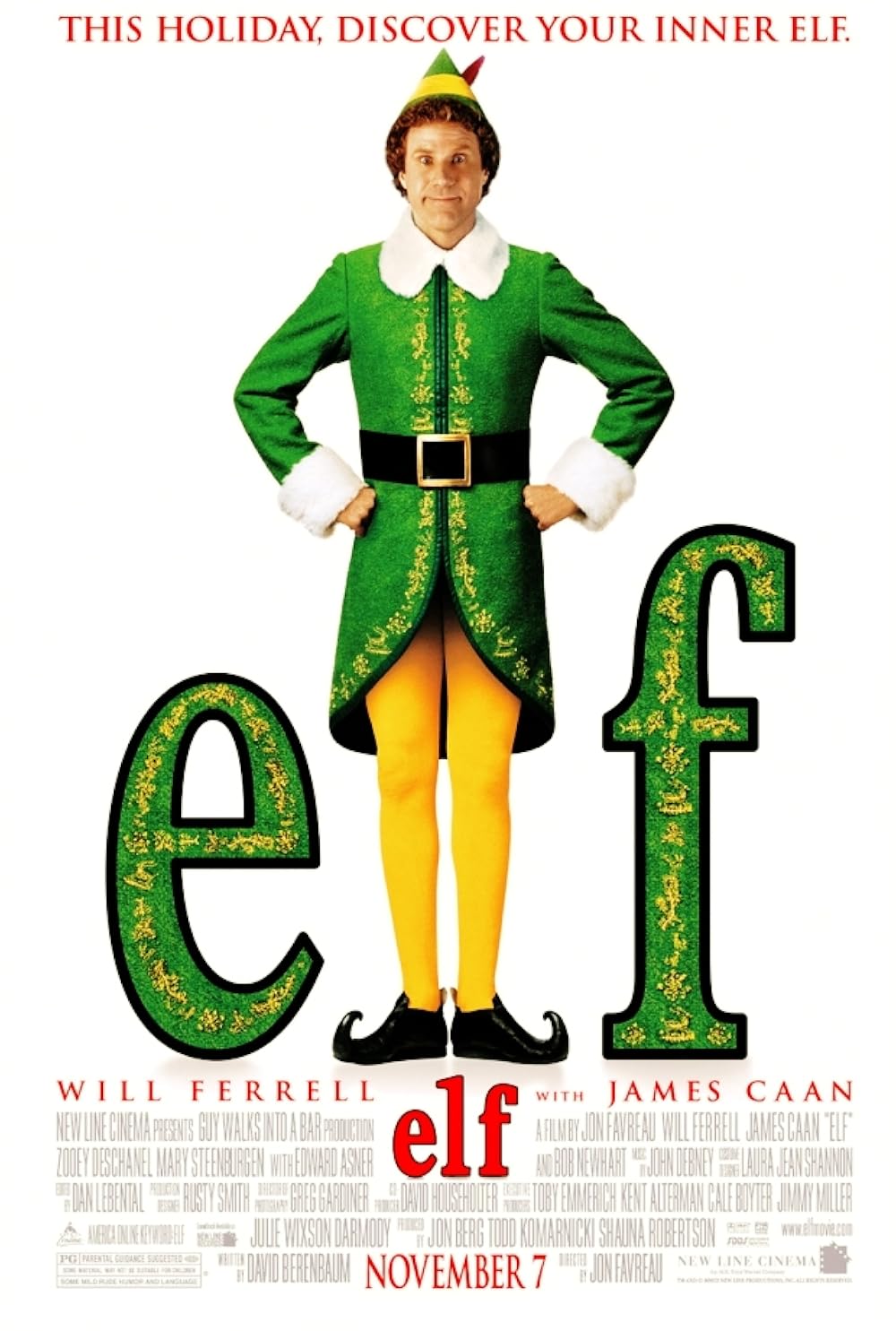
Elf (2003)

My parents' tv is not that great by what's-now-on-display-at-Costco standards, but since we watch everything on a ten-year-old projector, it still has a sharpness and clarity we're not used to. We were seeing book titles, and pink trees in the background, and candy types in jars we'd never noticed before. And while watching something like that is always a tad disorienting, it does make me wonder if we should rearrange our home to hold a fancy new television.

(Incidentally—was watching a Price is Right from 1961 yesterday and a fancy new television cost then more than a new car.)

HOME
Disney+
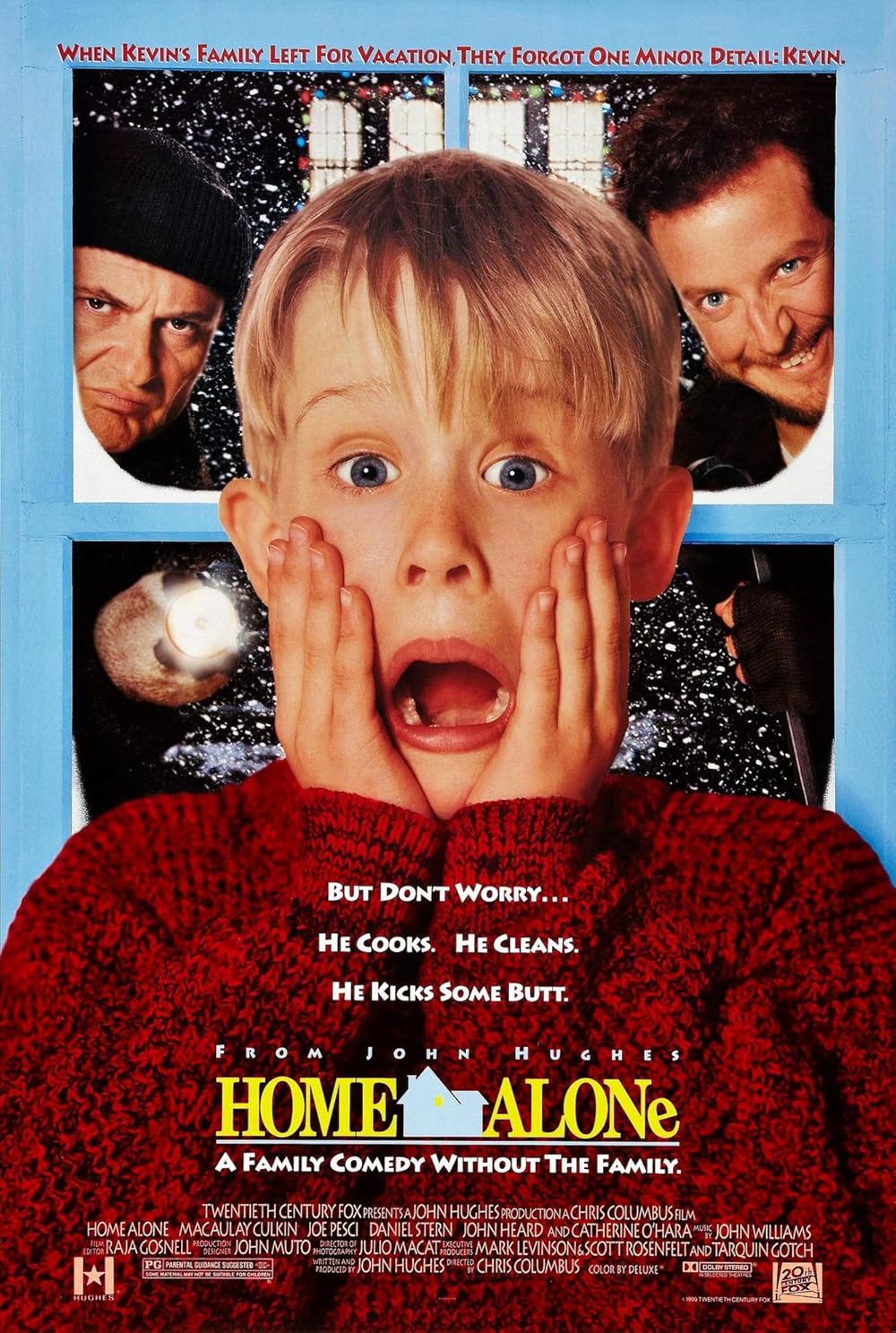
Home Alone (1990)

So, while I'm no expert, I think this might be Chris Columbus's best movie. The only other one I like I haven't seen in aaaaaages:
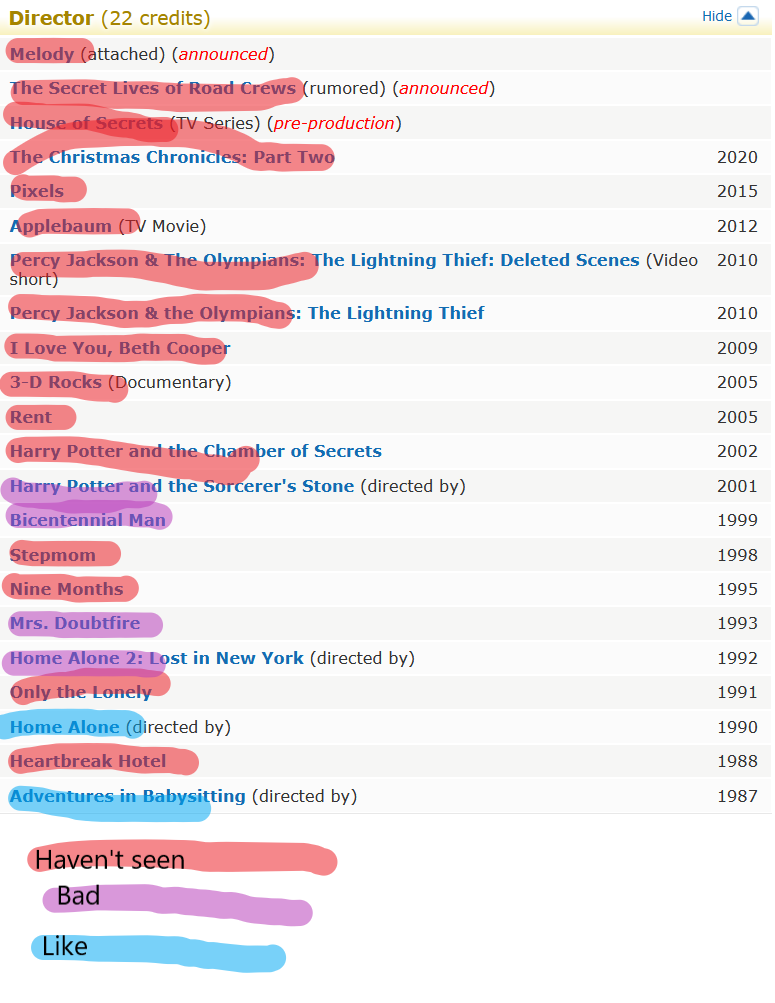
Anyway. This one is pretty good. No masterpiece. I don't need it part of my yearly tradition. But I can watch it. Even if I miss the middle (as this time), I'll come back for the ending.

For my money, Catherine O'Hara is the heart of the film. But, that said:

It occurred to me, this time, that this is a basic hero's journey with a fascinating twist: Kevin goes on the journey WITHOUT leaving home. Home leaves him, instead. Otherwise, it all checks out. Watch it with that in mind. It works. Kinda neat.
HOME
Disney+
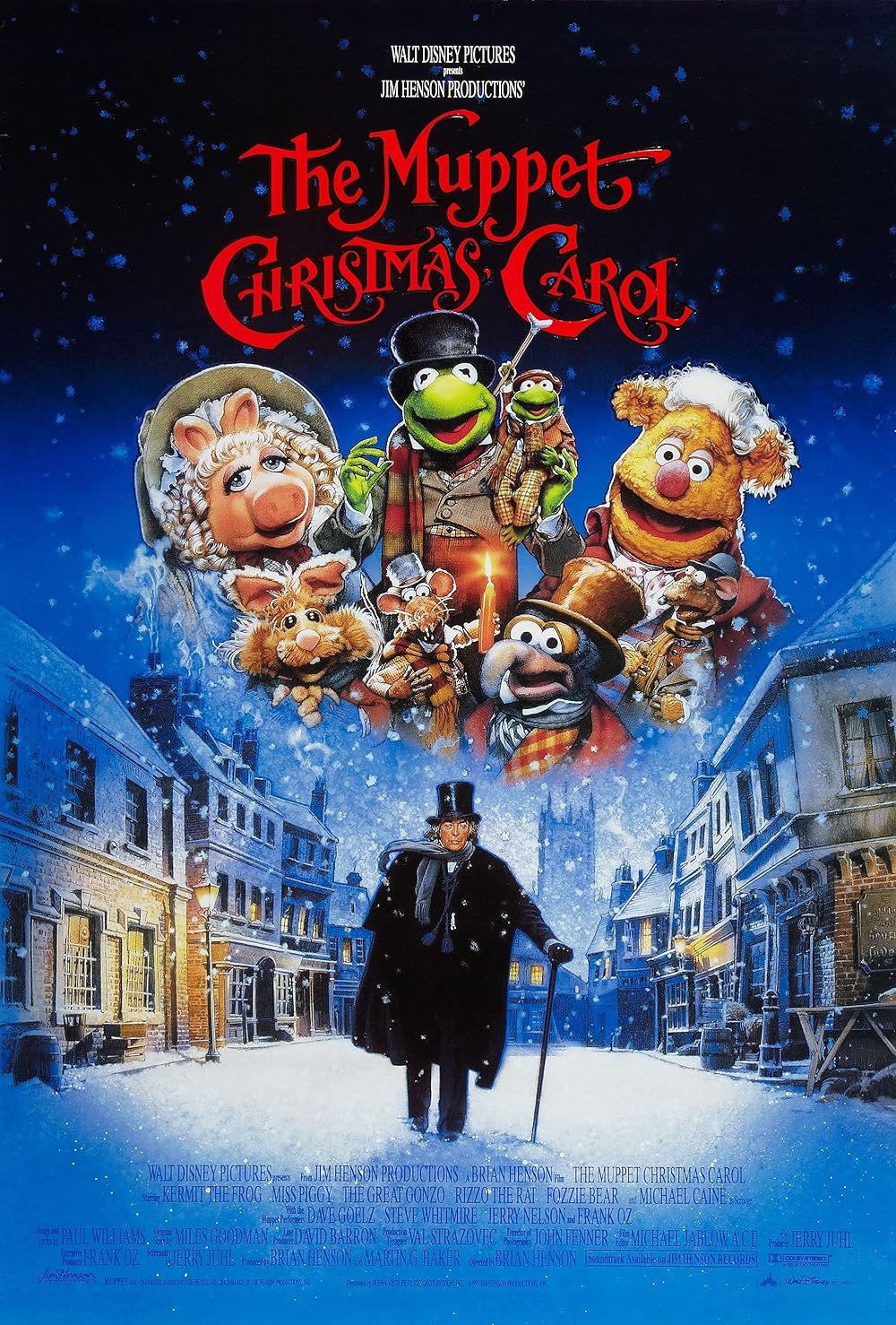
The Muppet Christmas Carol (1992)

So, after my first post-repentence viewing last year, I was ready to watch this movie with fully fair eyes. And here are some takeaways:

1. Rizzo is sometimes annoying rather than funny.

2. The ghosts are appropriately eerie.

3. Michael Caine's performance is amazing. That moment when he realized he is the butt of Fred's joke? Destructive.

Anyway, I liked it. I hope it becomes a tradition.

HOME
library dvd
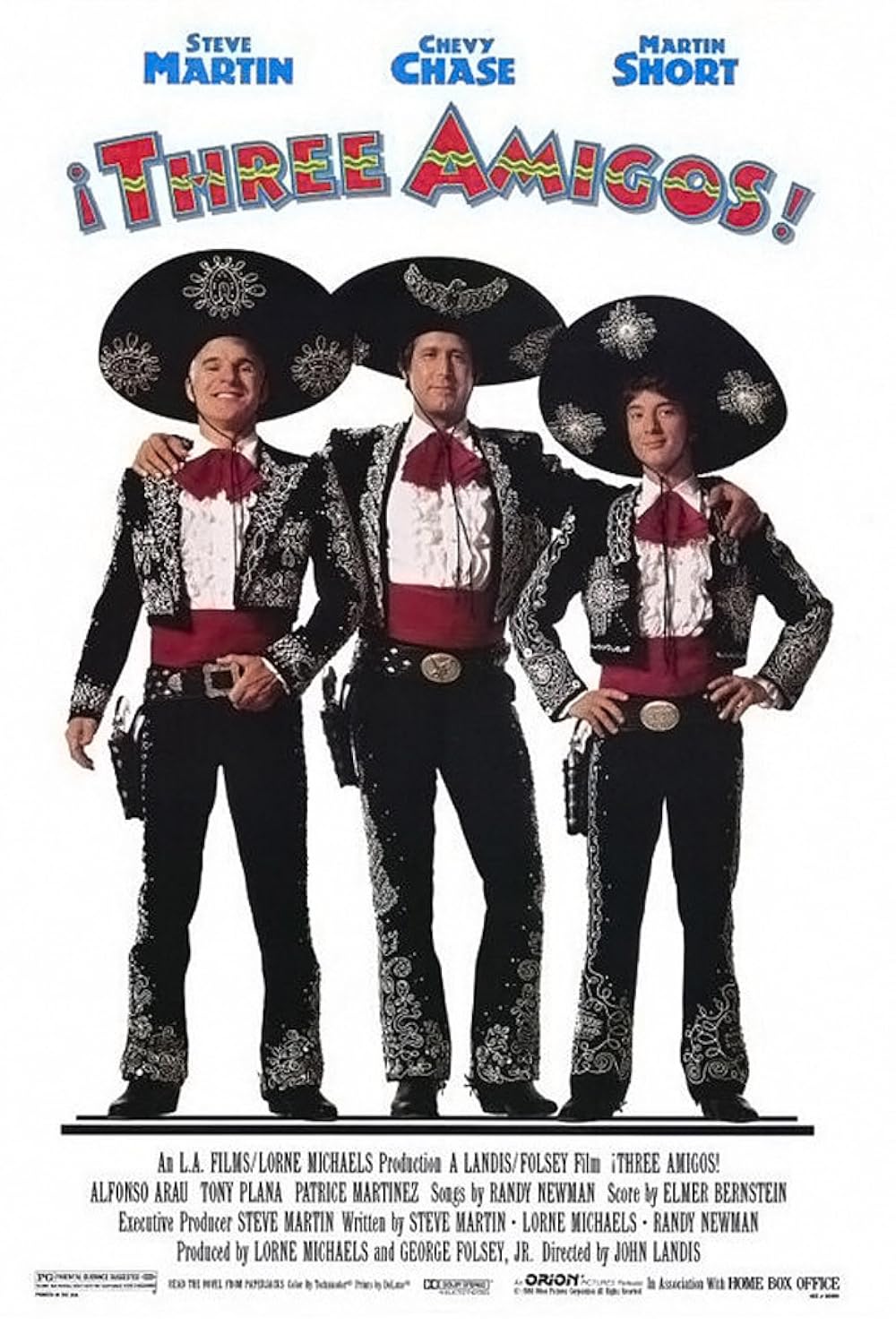
¡Three Amigos! (1986)

This movie is written by Steve Martin, Lorne Michaels, and Randy Newman. This is quite the collection of names!

I never saw this movie. Everyone my age loved it and it was weird to discover how many lines I knew, but this is a first viewing for me. It was strange how it wandered from realism to not-real-at-all. Honestly, although I liked it fine, it does seem like a movie best seen the first time as a child. Although as a child the little-balls and dick jokes would have left me deeply uncomfortable and unable to enjoy the movie.

I finally picked it up after enjoying Only Murders in the Building and wanting to see some classic Martin-on-Martin action. And enjoy it I did.

Does anyone know if this movie's become a classic?


HOME
library dvd
Seven Up! (1964)

I'm not sure when I first heard about this series of films, but, in case, this is your first time, let me give you the skinny.

Twenty English kids from different regions and classes are selected for a documentary when they are seven years old. Inspired by the Jesuit maxim, show me the child at seven and I'll show you the man, the documentarians purport to show what England will be like in the year 2000. It's a fun enough concept, originally just an episode on British tv.

Anyway, seven years later, someone comes up with the idea of revisiting them. And, having done that, they've kept it up every seven years since.

I've been wanting to watch them since I heard about the series, which I'm guessing was either 42 or 49 Up. I've figured, once day, when life is slower, I can take a week or two and watch them all at once. You know. Post-kid, maybe. But the ward's unofficial film group chose 56 Up as one of our movies this year and I really do not want to watch them out of order. So here we go!

The first episode is a fascinating time capsule. And it would have merit even today as a stand alone work. BUT WE KNOW UPDATES ARE COMING. And that makes it so much more fascinating. As these kids navigate the end of the twentieth century and the birth of the twenty-first, how will they navigate changing realities around class and politics? Where are they today? Can we, as the Jesuits suggest, pick out the Boris Johnsons supporters clear back in 1964? Frankly, those are darned exciting questions.


HOME
library dvd
7 Plus Seven (1970)

The most striking change between seven and fourteen, to me, was who wouldn't look at the interviewers anymore. At first, I thought it was the most disadvantaged kids. The most rural of them always looks down. The lower-middle class girl who went to the lower-level school (compared to her friends) rarely looked up and couldn't speak up over her friends. The only kid who reads as not 100% white always seems to be looking over the interviewers' heads. But this theory is thrown off by the girl, who I believe comes from the greatest wealth, being as nose-in-her-lap as the farmer kid. Perhaps it's because her upbringing is also rural? Perhaps its because she thinks it might be shameful to be on the same screen as these lower-class kids? Perhaps because she genuinely is skeptical that anyone cares about this sort of thing? Perhaps her breasts just arrived last week? I have no idea. But she won't look at them either.

It's also curious to me how they speak a more enlightened talk but their walks are no more enlightened. I'm partucularly troubled by the richest three boys—not all of them equally. Well. We'll see where they go next, won't we?


HOME
library dvd
The Holiday (2006)

When this came out, I dismissed it as a Love, Actually knockoff (which wasn't fair as I'm fairly certain I had not yet seen Love, Actually in 2006 and thus could not have known how terrible it is) with stunt casting and ignored it. And largely forgot about it. But then, this year, I discovered it is beloved of many. And that the Kate Winslet / Jack Black relationship in particular is heralded in some corners as particularly real and true and lovely. Sounds like I movie I could get into.

The set-up is pretty simple (two heartbroken women houseswap across the world) but the film doesn't just mirror their experiences. Kate's first relationship, for instance, is with the elderly writer next door. And that relationship is developed better than her relationship with Jack Black.

That relationship, I expect, gets better each viewing, but we're convinced that a number of scenes from the script were cut (the movie's still over two hours long), most of which would make that relationship stronger. (We made a list, as the movie went along, of what seemed to be missing.)

But that said, it's still a decent relationship. And the movie is full of other great details. The two little girls are amazing (so, so good); when Cameron Diaz cries (this is a major spoiler but one you're set up to expect from go) it is fully affecting; and dang if it Eli Wallach isn't absolutely wonderful in a role I did not anticipate from the dvd box.

The movie is reaching for classic screwball and wears its influences proudly but it doesn't quite pull it off. Nice try, crossing wit and sincerity, but nah. (Also, it gets film history wrong on several points. The number of movies in release back when, for instance.)

All those complaints regardless, I can definitely imagine watching this movie again some other week between Christmas and New Year's. Maybe I'll like it more then.

Oh! And this had some of the best Hollywood cameos I've seen since The Player. I wish they'd fit in a few more. There were obvious spots for more!

Oh! One more thing. Crazy to see Kathryn Hahn and John Krasinksi get maybe five minutes of airtime between them in bit roles as Cameron's employees never to return again. 2006, baby!

HOME
our dvd
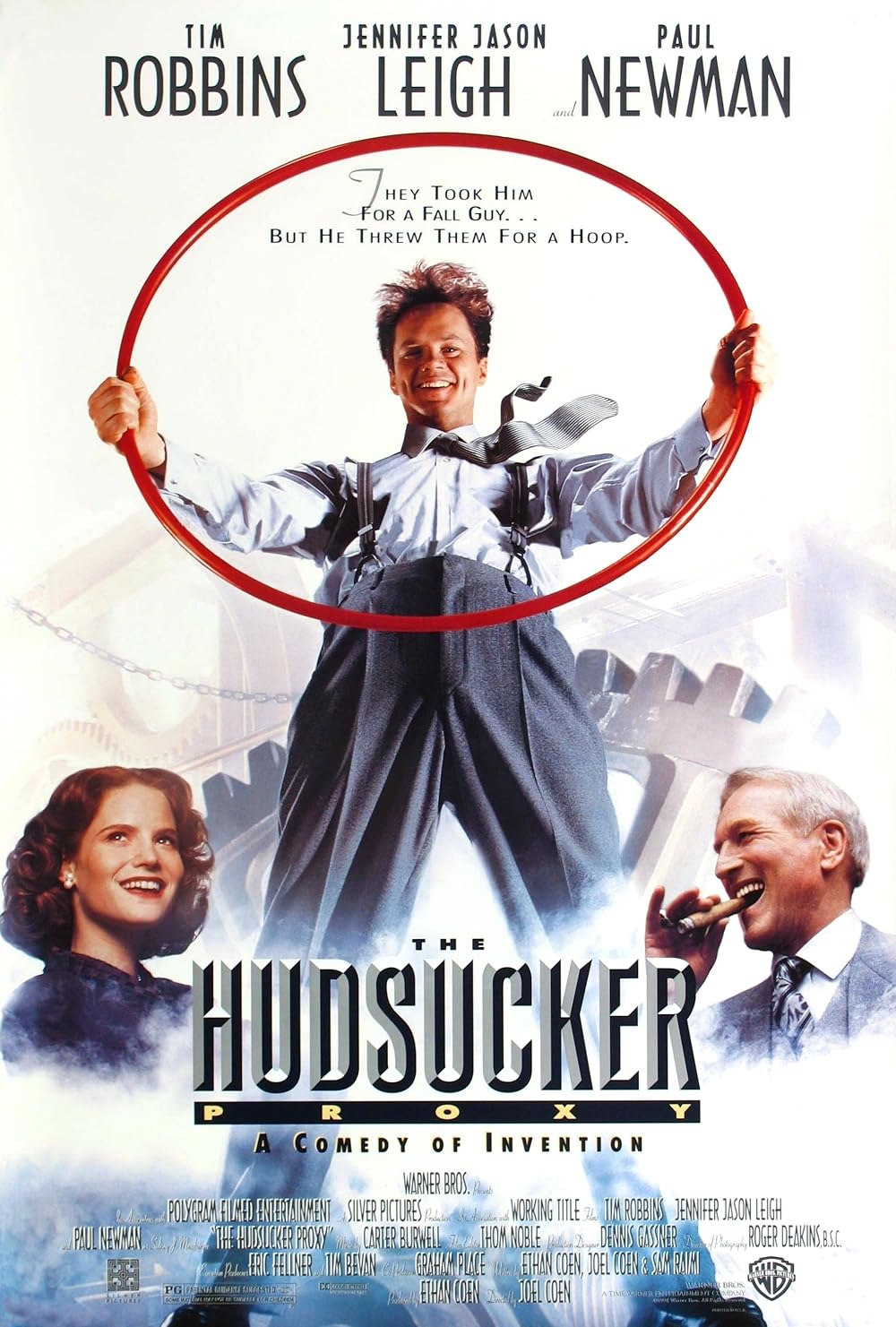
The Hudsucker Proxy (1994)

It's New Year's Eeeeeeeeeve!

And time for the Hud.

I love this movie. In my personal movie history, Hudsucker is to comedy what Psycho was to film more generally.

Earlier this hear, I found a limited-run Substack on Hudsucker, which I highly recommend. The one I've thought about the most is the one proposing George Clooney would have made a better Norville. I thought about that a lot this watch. And Clooney would have done a great job, but it would have been a much different—but, I don't think, better—film. Debate as you like.

I'm also grateful that he went frame by frame and wrote down all the potential careers off the career board (the film is so needlessly generous—so many additional frames in this film really ought to be paused and copied down). And I'm grateful for the argument (which I reject) that the pants scene was needless, though it did make me notice a few other arguable flaws in the script.

In the end, it is simply a movie that I love. And that is enough.

HOME
our dvd
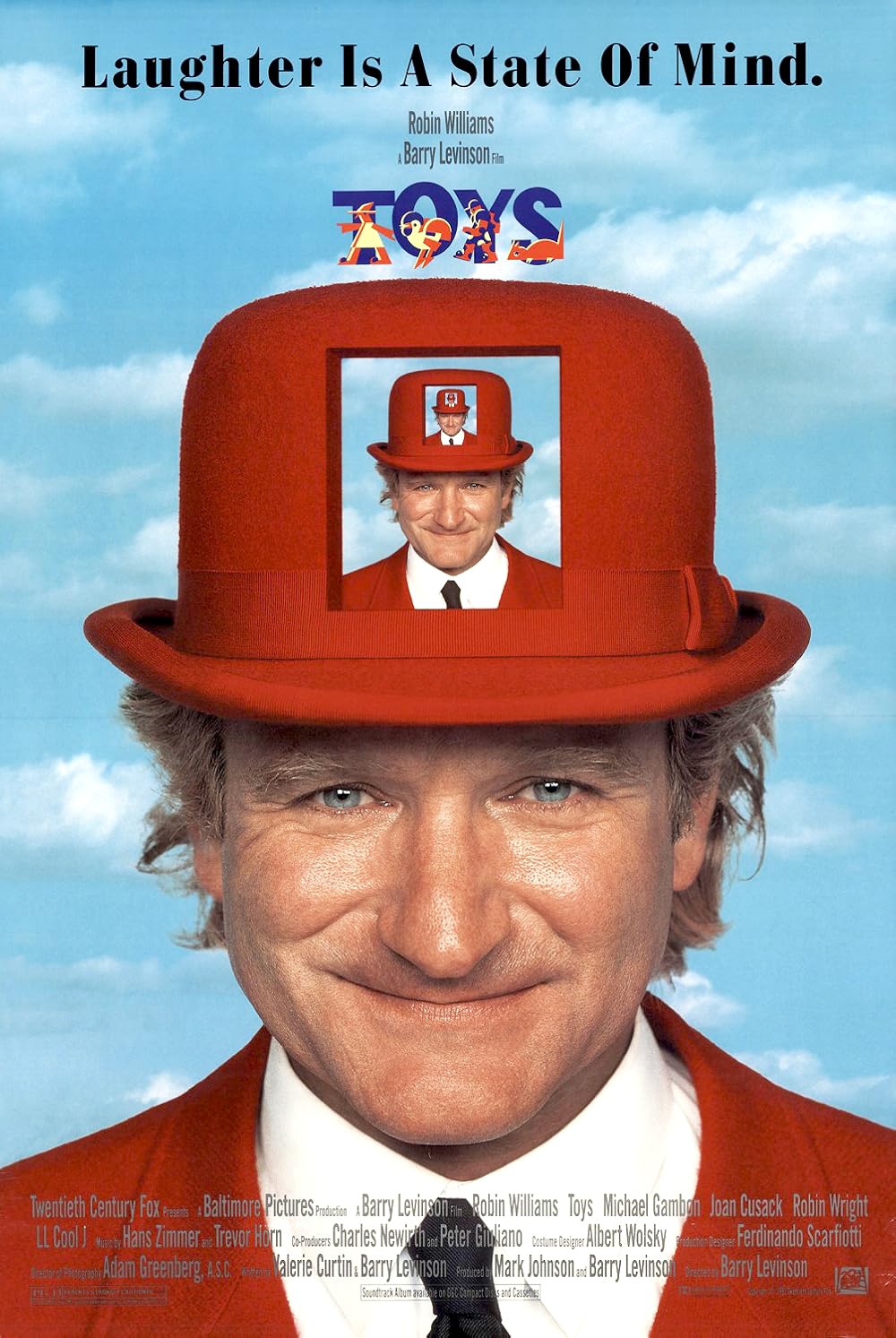
Toys (1992)

Great cast. Great music. Master director working from a great script. Incredible sets and stuff. And yet, I cannot imagine a world where this is a huge hit.

Kind of a bummer, no?

Anyway, I know the 90s are famous for great soundtracks, but this may be my favorite. I know it intimately. Such that when a song in the movie is only a few bars, I know where it's headed. Bit distracting, really. And why isn't that spot of opera on the cd?

Anyway, it should probably be a hair shorter, but if anything its questions are even more relevant today. My high-school senior's been getting ads from the military asking him to come play videogames. So, speaking of the future, hello 2022.

(Final aside: seeing this trailer c. 1992 was one of the moments the possibility movies possessed changed for me. It ranks up there with the trailer for Rushmore, I kid you not.)



Previous films watched

MOST RECENT POST


2020

2019

2018

2017

2017

2016

2015

2015

2015

2015

2015

2014

2014

2013

2021-12-29

If these are the last books of the year, we can celebrate the new year satisfied

.

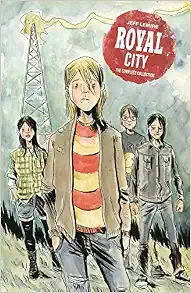
124) Royal City: Next of Kin by Jeff Lemire, finished on December 15
125) Royal City: Sonic Youth by Jeff Lemire, finished on December 16
126) Royal City: We All Float On by Jeff Lemire, finished on December 16

It's no secret I think Jeff Lemire is one of the best things we have going. Since my first gush, I've been a serious fan. And I love it best when he does his own work, words and pictures. His art is painful and his words draw blood and the combination is deadly. And he navigates so cleanly from realism to magic—he may be the greatest North American realist I know. (We can debate this later. The short list is long.)

This is the story of a family shattered twenty years ago by the death of the youngest child. They all find themselves back in town when dad has a stroke. (Only one, it's worth mentioning, ever managed to leave.) And they navigate their depressed hometown and radio signals and the many ghosts of their brother. It's a story of healing and growth. And whatever the opposite of cloying is.

Not much happens. And everything happens.

And the character design—these people are a family. And, by the end, for all their failings, you'll wish them well.

three days but the first was a week before the other two


127) Everything but Money by Sam Levenson, finished on December 16

The book is a mix of small comedic pieces published in places like TV Guide, Parents, Collier's, and newspaper syndication; and some preachy bits that appeared in the same places. How much where versus how much otherwhere versus original to this book, who can say. The book as a whole holds together. Let's talk about it!

I : Sweet Horseradish (pp 1–125)

II : "Look, ma, I'm middle class!" (pp 126–168)

III : Off My Chest (pp 169–238)

IV : "My dear children" (pp 239–243)

The first thing you'll notice is that over half the book is part one. It goes on long enough, it's a shock when it ends.

"Sweet Horseradish" is about growing up poor, the children of European, Jewish immigrants. It's packed full of wonderful stories about a disappeared world. Games in the streets, dealing with relatives, living in packed spaces, what school was like, what holidays were like—it's a mix of absolutely real moments and delightfully comedic hyperbole. I imagine this must be what Levenson's comedy schtick was like. (I can't say for sure—I've only seen him guest on What's My Line.)

Then his childhood ended and I was shocked to realize the book continued onward! I'd been reading it, like, twenty months at that point!

Anyway, he grows up and goes to college and moves to the suburbs. Works fifteen years as a high-school Spanish teacher. Later moves into entertainment, though that's less grounded and so gets less play.

Part II starts off a bit preachy about How Things Have Changed, but happily digresses into more comedy bits now and then. "Off My Chest" more directly deals with patching up society, but it also loses its way now and then with bits that feel like they've already been workshopped on stage. Certainly, they seem to require an oral delivery. Or maybe it's just that fifty years have passed.

That final tiny section is just his last plea for goodness.

Some of the things he worries about can seem snobbish (kids need classical music, not British rock bands) or quaint (maybe schools could provide lists of educational tv progams?), but he seems like a genuinely decent human being. Although some of his phrasing is, ah, rather midcentury, I don't think it would be absurd to call this book the antiracist bestseller of 1966.

(I used a part near the beginning of III to suggest a reimagined classroom with my sophomores. They weren't as enthused as me.)

He's a charming host and he has the sugar to help the medicine go down. Plus, it's just a terrific bit of time travel.

Click this image to read the book at the Internet Archive:

a shade over two years


128) Chip Off Olympus by Jules Tasca, finished on December 17

You know that brand of liberalism that proves how not racist/sexist/etcist it is by making racist/sexist/etcist jokes and daring you not to laugh? From All in the Family (from which this play takes its epigraph) to South Park, this aliberal liberality has broken open conversations and made a new generation think racial epitaphs are okay to laugh at. Sort of a mixed victory, you ask me.

Chip Off Olympus dives right into this. I'm honestly not sure from fifty years later how likable these characters are supposed to be. What remains real is the seeming betterthanness they have over other races, poorer people, religious people, fans of lowbrow television, and so on.

I can imagine laughing at about half the jokes, but the other half would leave me feeling so dirty, I wouldn't have a good time.

Here's the set-up: Three grown kids (one a famous heart surgeon, one a failed writer, one with stigmata) and their mother cope with the legacy left by their bit-player father, an absolute saint, who, it ends up, "dorked" absolutely every leading lady he ever worked with. Which was pretty much all of them.

Hahaha!

I mean, it could work. The set with all the props from all those movies is visually fun. The kids have a decent dynamic. Mostly, the jokes, in their attempt to be cutting edge and modern, have aged very very poorly.

Ah, comedy, thou dangerous lover thou.

a week or two
 

129) Imagine Wanting Only This by Kristen Radtke, finished on December 21ish

Less a meditation on loneliness and more an address to mortality, this nonfiction look at dying relationships, people, and places is a tighter construction than her second book.

I loved it.

Radtke's style—realistic but simple, monochome with washes and stark lines—backs up the themes of her book. It's a terrific fusion of form and function.

And someday, no one will remember it.

a few days
 

130) Thurber & Company by James Thurber, finished on December 27

Thurber drew compulsively which is why he can do so many things. Sure, sure—it all looks the same, and he was, as is mentioned int his wife's intro, "pre-intentionalist . . . finished before the ideas for them had occurred to me," but he's playing with variations on his themes and each is unique and does something new. I admire that. And it let's me know my compulsions aren't so powerful and don't push me as far.

since christmas


131) The Spirit of the Season edited by Curtis Taylor, finished on December 29

After getting to tell Curtis Taylor how much The Invisible Saint meant to me at a virtual Sunstone thing summer of 2020, he invited me to submit to this collection. Which was flattering—and great to add another holiday story to my collection.

I had my wires crossed on some of the details, as it ends up. Mine is perhaps the shortest story in the book and it might be the only one without Mormon content. But hey! I got to write a Christmas story in a genre I'd long wanted to. (I won't say more because I don't want to ruin it for you. Pick up a copy to prep for next Christmas).

I saved my story to read last and Orson Scott Card's to read second-to, since I'd read it before. My memory of that read (although the two sentences at the link aren't enough to be certain of my opinion) is that it's well below my expectations for a Card story. Some of his short fiction is among the best I've read, after all. But I did find the story emotionally moving, even if I do find somewhat unpleasant the the story's theme, viz. Redemption of the Wealthy Capitalist Who Was Actually a Really Good Person All Along.

One funny thing about that story is it still takes place circa 1991, but for this publication, Card (or Taylor?) updated "home teaching" to "ministering"; add this to your collection of mildly amusing anachronisms.

My two favorite stories are probably the first I read (Taylor's "Mavericks" which takes place near my wife's hometown and features one of the best renditions of powerful spiritual influence I've ever read) and the third-to-last, Ann Dee Ellis's "A Christmas Story" which is tight and beautiful and sad and witty and manages to be full of style without ever once seeming like it's showing off. I don't think I'd heard of Ann Dee Ellis before, thought she has multiple books out. I've mostly sworn off YA and MG books, but maybe I'll make an exception. Anyway, I've put the two at my library on hold.

A few thoughts on some of the other work:

Darlene Young is represented, including her dirty shepherds poem, which I love.

Several of the stories I thought were very close to being excellent and just needed a sterner final edit. I feel pretty safe saying that not just because a couple of my favorites should have been a couple pages shorter but because the brown M&M's were still in the bowl: when a word started with an apostrophe, it curled the wrong way. I believe every time. I noticed.

Anyway, stories I thought were great but should have been a hair tighter include Donald Smurthwaite's "The Greatest White-Flocked Aluminum Artificial Christmas Tree That No One for Miles Around Ever Came to See" (which felt even more true when I visited my parents and saw their spinning tree) and Stan Zenk's "The Wenceslas Papers" (a comedic noir).

That latter story took place in San Francisco, which merits mentioning that most of the stories are set either in Utah or Northern California. There are a few exceptions: Southern Idaho which might as well be Utah (the reason people from southern Idaho resent people saying this is because it's true) and England (though with a strong Utah tie). Makes me feel even more out of places for setting mine in the Midwest. Vive la différence!

Some of my other favorites include those from the big names, the people who make the cover: Dean Hughes (his story, along with Card's originally appeared in Aspen Books' Christmas collection of three decades ago) and Susan Easton Black (whose essay appeared in a Deseret Book collection two and a half decades ago).

In short, even though I feel justified complaining about the polish of about half the collection, I still enjoyed it mightily. And I know that anyone even a hair less persnickety than me is apt to have no complaints at all. Make it a gift for the better-than-Theric person in your family.

a few weeks


Previously . . . . :

2021-12-14

The Mystery Machine as a Symbol
of Religious Tolerance

 .

The other night I was watching a 2012 episode of Scooby-Doo, Who Are You? and was startles as, over the course of the episode, the religion of each major character was revealed over the course of the episode. And it wasn't a hamhanded attempt at multiculturalism or an awkward way to make some kind of point. There may have been multicultural goals or a point to be made, but the writing was so excellent, that each reveals was smoothly executed, seemed natural to the conversation, and relevant to the typical Scooby-Doo plot. (Although the reveal was one of the more shocking I've seen. Daphne was driving the Mystery Machine and was about to shoot Fred, in the passenger seat, with a short-barrelled rifle. Fred wrestled the gun away as she is driving, gave her a nonfatal shot and tore off her face, revealing not Daphne but the episode's villain. I can't ever remember even seeing a gun in a Scooby-Doo cartoon before, unless it was strapped unused to the hip of local law-enforcement. Wild.

I should maybe point out that, since a c. 2004 feature-length cartoon where the monsters were real, I've largely written off post-early-Eighties Scooby-Doo. (Although I did recently enjoy Scooby-Doo and Guess Who?.)

I should pause here to say two things that are, in my opinion, vital to Scooby's success.

1) The monsters are NEVER real. This is a rationalist universe Mystery Inc. resides in. It's always someone in a mask. Always. Exceptions not allowed. Exceptions are a betrayal.

2) Mystery Inc are true friends, and an episode spent with them is an episode spent with friends. Just hanging out with Fred and Velma and Daphne and Shaggy and Scoob.

It was those two axioms that make the 2012 religion episode so fascinating. By so cleanly integrating this aspect to the characters' personal lives, it a) made rationality and religiosity comfortably coexistent and b) allowed people with different religious backgrounds to be friends.

Unfortunately, I can't remember the affiliations of Shaggy or Scooby (did he have one??) and can't easily look it up (it's not online for reasons I'll explain in a moment), but here you are:

Anyway, I thought it was a fascinating and rather daring choice and, that upsetting ending notwithstanding, a pretty good episode.

Unfortunately, you won't be able to find it online any more than I can because I watched it in a dream early Friday morning. I really hate it when stories end this way. Might be worse than finding out the monsters are real.

2021-12-11

New album from Gene England and the Comics

.

115) Stretching the Heavens: The Life of Eugene England and the Crisis of Modern Mormonism by Terryl L. Givens, finished on November 21

Givens said at a lecture I attended that presses love the word crisis in the title. It wasn't his original choice.

Anyway, I've heard that Bob Rees isn't thrilled with this biography and its assertions of England's naivete. And I have to say I agree.

In Frankenstein, Victor relays the monster's story to Walton in the monster's own words. Victor is convinced this telling justifies himself and condemns the creature. But, in fact, what Victor cannot see is that the creature's words make him sympathetic and cast Victor in a bad light.

Givens's assertions of naivete create a similar effect. It's difficult to read the evidence he lays out through the same interpretation Givens himself relies on. I don't see Gene as naive as all. What I see is a man who, even though he has been bitten a hundred times, still gives his dog another chance. Because he believes entirely in the good of the dog. And not because the dog has earned that belief. But because he chooses to live in a world where dogs are good and where this dog may yet become good. And the dog can never become good without further opportunities to choose whether or not to bite.

The first portion of this biography is a thrill-a-minute and I kept sharing details with Lady Steed about his childhood or education or marriage or mission or early career. As it goes on, the thrills slow down and the slow-moving tragedies increase. Which is exciting, I suppose, but also depressing.

Gene was the sort of prophet who comes out of the desert, rather than rises through the ranks. The tragedy was that he didn't see himself as a prophet and he did see himself as part of the ranks. Which made him doubly dangerous.

I hope many, many more books are written about this era, its characters, and Eugene England specifically. And I hope they recognize his heroism before the denouement. That he was, in fact, a hero–all the way through.

hard to believe but I think over three months


116) Seek You: A Journey Through American Loneliness by Kristen Radtke, finished on November 24

I can't remember now where I saw this recommended. Perhaps the same place In was recommended? (Nope.) Ah, well. Maybe some newspaper. Who knows.

Anyway, Radtke's work's familiar, having appeared in The New Yorker and The Believer and other reputable locations. This long book (352 thick pages—they have to be think to handle all this ink) is about loneliness, including what we know about it, what it's for, what with do for it, etc etc. It's a good book, insightful and probably helpful. The midbook aside about guns felt a bit shoehorned in, but I understand the compulsion to include it.

 
If nothing else, I hope people read this book just to give us a better sense of how to talk about our shared loneliness. It's a book with a lot of potential utility.

  almost three weeks
 

117) Katie the Catsitter by Colleen AF Venable and Stephanie Yue, finished on November 24

This was the only one of the Washington Post's best graphic novels of the year which I felt like immediately looking for and which was also at my local library. I picked it up right away and read it to my daughter and we enjoyed it very much.

I was surprised to discover it was a superhero comic. But it's a superhero comic unlike any I've read before. It's protagonist is a young girl who just lives in a superhero world with no expectation to (or interest in) ever interact(ing) with superheros.

And so when she gets involved with 217 hypertalented cats, no telling where it might go.

The book attempts to follow the set of emotion beats exemplified by Roller Girl but her "real life" isn't really the point of the book. Even though a lot of pages are invested in her friendships, the book is never half so interested in them as it is in the cats and the more mysterious connections those cats have to the outside world. And those aspects of the book are endlessly fun and delightful. The ending to that portion is satisfying. The friends-plot resolution barely makes sense.

Anyway! Expect a sequel next year!

how long goes here
 

120) The Crossroads at Midnight by Abby Howard, finished on November 27

This collection of short horror tales is solid. Each one, conceptually, is strong. The weakness is Howard's ability to write children and youth. Unquestionably, the best story is the final one. Not coincidentally, it is the only one to give no speaking lines to anyone under twenty-five.

Abby Howard is the author or Junior Scientist Power Hour, a strip I'm aware of and sometimes remember to visit when I'm incredibly bored and staring at the bottom of an xkcd page. (This is not an insult—there are just too many good webcomics to remember them all.) He's every bit as good at this longer form and I hope he keeps with it.

I don't know how this was marketed, but I found it in my library's YA GN section, so I suspect all those youthful characters throughout the book were seen as a feature, not a bug. Were I his editor, I would suggest otherwise.

two days
 

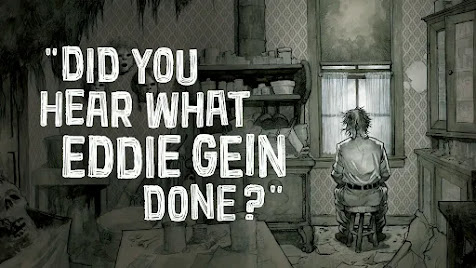
121) "Did You Hear What Eddie Gein Done?" by Harold Schechter and Eric Powell, finished on November 30

Another fine comic about an American killer to place alongside My Friend Dahmer and Green River Killer. Those two stand out because they were about recent crimes (relatively speaking) and written by people indirectly connected to the incidents (Dahmer's high school friend and, in Ridgway's case, the detective's son). The story of Gein (which, I learned, and probably not for the first time, is pronounced geen) takes place a bit too far in the past for that. But they've clearly done their research (as promised) and they've also engaged in a bit of speculation that makes a great deal of sense, viz. that Gein's evil may best be explained as a religion of his own making. Not that he necessarily thought of it that way, but it seems to fit the evidence.

The story is sad and horrifying, grotesque and pathetic, perplexing and explanatory.

It is, in short, an excellent work of comics nonfiction. And you can get it for much cheaper than I paid. (But yours won't be signed.)

two days


122) City of Saints by Andrew Hunt, finished on December 4

This book came out almost a decade ago and, if I remember correctly, escaped the AML's notice upon first release. Not until Mette was proudly publishing her LDS-themed, nationally published mystery novel. City of Saints would lead to two sequels, A Killing in Zion and Desolation Flats, but I'm not sure I even heard of them before I was lifting this issue of the cover from Amazon. Why not?

The second of Mette's novels was the end of my reading them (review). I don't see me reading more from this series either, but for simpler reason. Though I imagine Hunt improves, this novel (which won the Tony Hillerman Prize!) has a lot of rookie errors I wouldn't expect from a Macmillian-edited book—a couple weird repetitions, a couple details that get time shifted—little things, but still.

The book's lead, Deputy Art Oveson, is a worthy creation with some trauma he's working through and a big Mormon family. Some of the psychological issues which force him to work the case in a more detective-novel-friendly way feel a tad contrived, though they come together nicely in the end.

The story's based on an actual and once nationally famous Salt Lake murder. You can read more.

Let's also mention briefly the Mormon content which is pervasive but incidental. Hunt's public face makes it really difficult to tell if he's LDS himself. And the 1930s are just alien enough, it can be difficult to tell if something it accurately period or simply wrong. But with few exceptions, I was happy to accept these aspects of 1930 SLC. If any experts have read the novel, I'd love their take.

Finally, no—the reason I'm unlikely to read more is that I simply rarely read more. Certainly, if A Killing in Zion falls into my lap, I'll give it a shot. But the world is filled with books. I enjoyed this brief journey and I am ready to move on.

how long goes here


123) The Deadliest Bouquet by Erica Schultz and Carola Borelli, et al.; finished December 11

A comic sized and issued like a traditional comic you'd see on display at the comics store. A familiar set-up—three sisters raised to be assassins, by an assassin mother. But this one leans into the horror and never pretends anyone here is a superhero. And its ending is much more aligned with, say, a novel, rather than a serial comic that, no matter its protestations, is always planning on dragging the story out for decades.

(I've never told you about Comics' Greatest World. Four four-issue miniseries. Classic 90s comics hype. But I thought they were all terrifically written and I eagerly purchased each sixteen issues. I felt I had been promised a satisfying arc—beginning, middle, and end. But then the final issue, instead of resolving, rolled over into a new [and endless] comics continuum. I was so angry. Betrayed. I could see why it made sense commercially, but artistically, it was a disaster. I never bought another issue. And considering how the entire enterprise collapsed immediately following, I must not have been alone in my opinion.)

Anyway, this was a solid piece of work! It's not Great Art and I doubt we'll be talking about it in ten years, but I wouldn't be surprised if this writer goes on to keep making things we should talk about.

three nights


Previously . . . . :